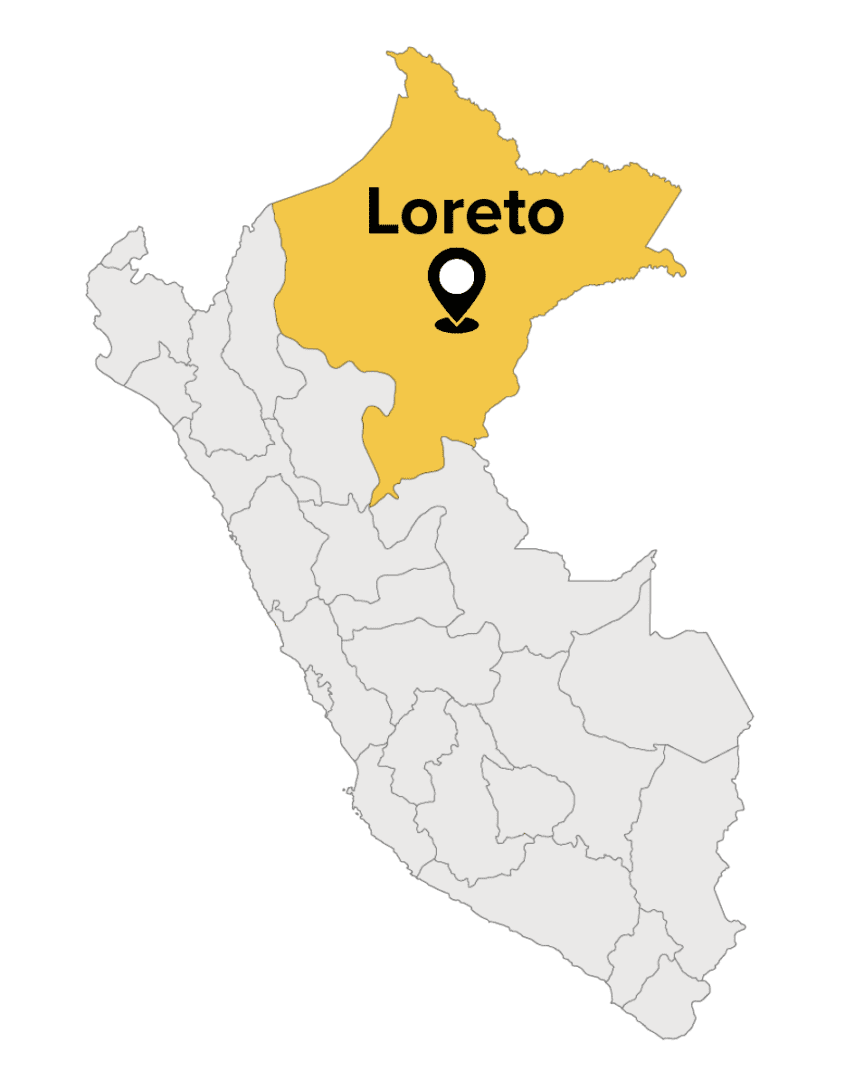
In the remote Amazon river communities of Loreto, many families live several hours by boat from Iquitos, the region’s capital. In these communities, public health and environmental challenges are deeply connected.
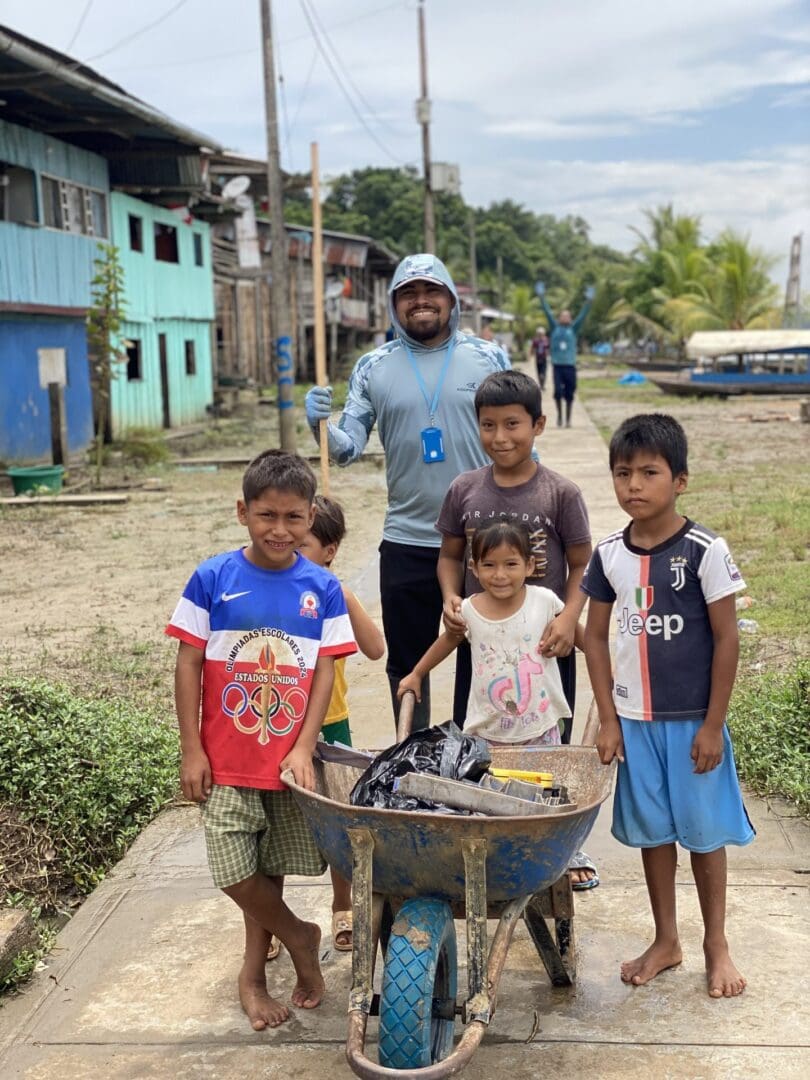
Limited access to solid waste management means that families often have few options for disposing of household waste. In many cases, waste is burned, left in open spaces, or discarded into the river. At the same time, standing water and accumulated waste can create breeding sites for the Aedes aegypti mosquito, the vector that transmits dengue.
Río Limpio is working to address these challenges through a community-based approach that brings together dengue prevention, environmental health, household education, and local participation.
With support from The International Foundation, Help Peru accompanies PRISMA and Penn State University in bringing this work to remote riverine communities in Loreto.
During its first stage, the project focused on listening, learning, and gathering evidence before implementing larger-scale interventions. This reflects Help Peru’s guided community development approach: working alongside trusted local partners, adapting to the realities of each community, and strengthening local ownership so that solutions can last beyond the period of direct support.
Rather than applying a one-size-fits-all solution, Río Limpio began by building a strong baseline. The project team worked with communities to better understand local realities, identify mosquito breeding sites, assess household waste generation, and build the trust needed for long-term action.
So far, Río Limpio has reached more than 3,500 direct beneficiaries and more than 3,600 people indirectly. Workplans were formally discussed and approved in three intervention communities — Roca Fuerte, Nueve de Octubre, and Saramurillo — while three control communities were also identified to help measure future impact.
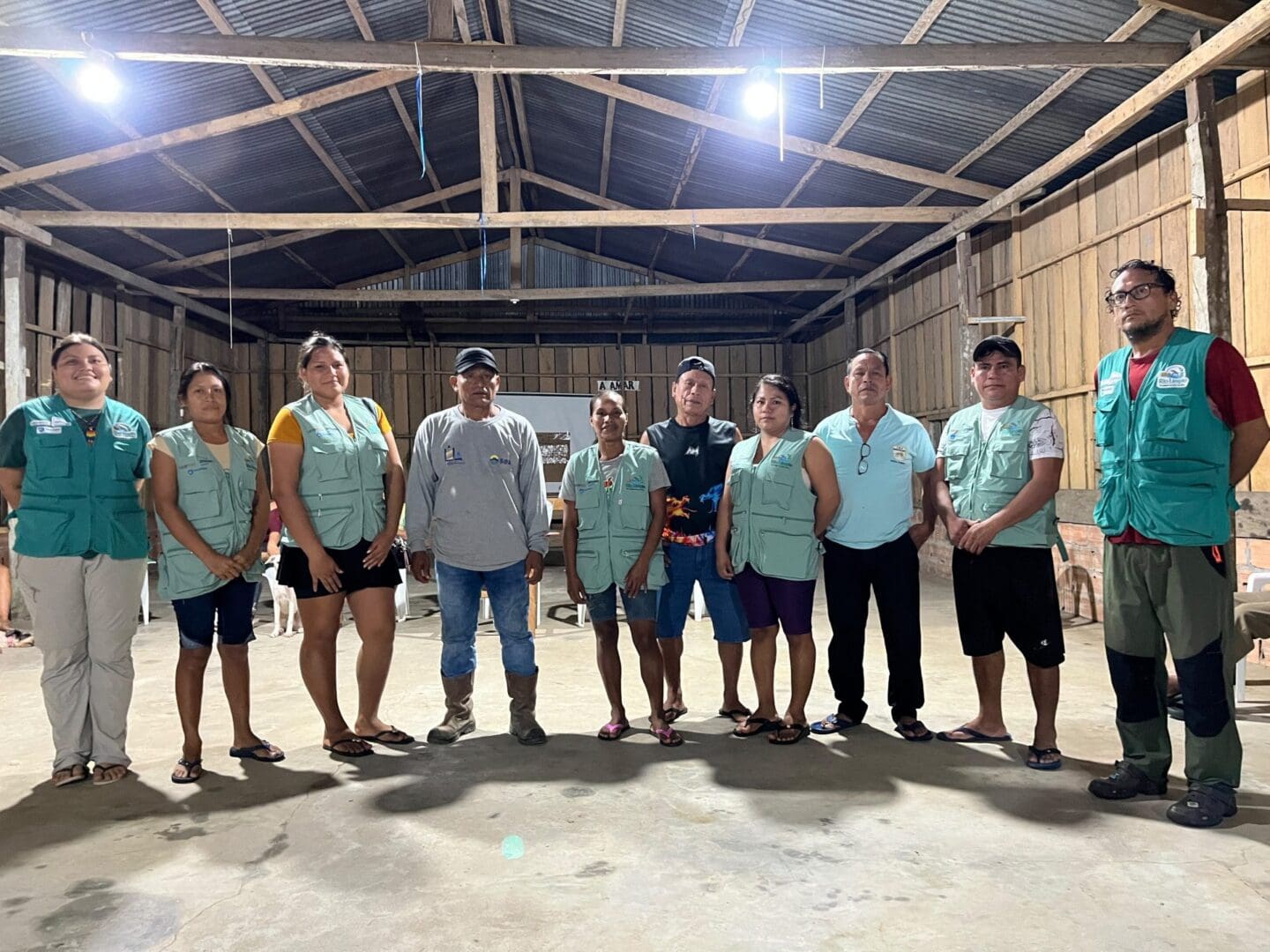
A key milestone was the selection and training of nine community health brigadiers. These locally trained community agents have already begun visiting households to share prevention messages, identify potential mosquito breeding sites, and support families in taking practical steps to reduce dengue risks. By the end of the reporting period, brigadiers had completed educational and source-reduction visits in 175 households.
Solid waste management has also emerged as one of the most important and complex components of the project. Río Limpio launched a pilot waste-separation process with 75 households and carried out early environmental actions, including the cleaning of 125 family gardens and the removal of waste from public spaces. Waste collected from four communities was transported to sanitary landfills in Nauta and Maypucu, while the team continues working through the logistical challenges of waste management in remote areas.
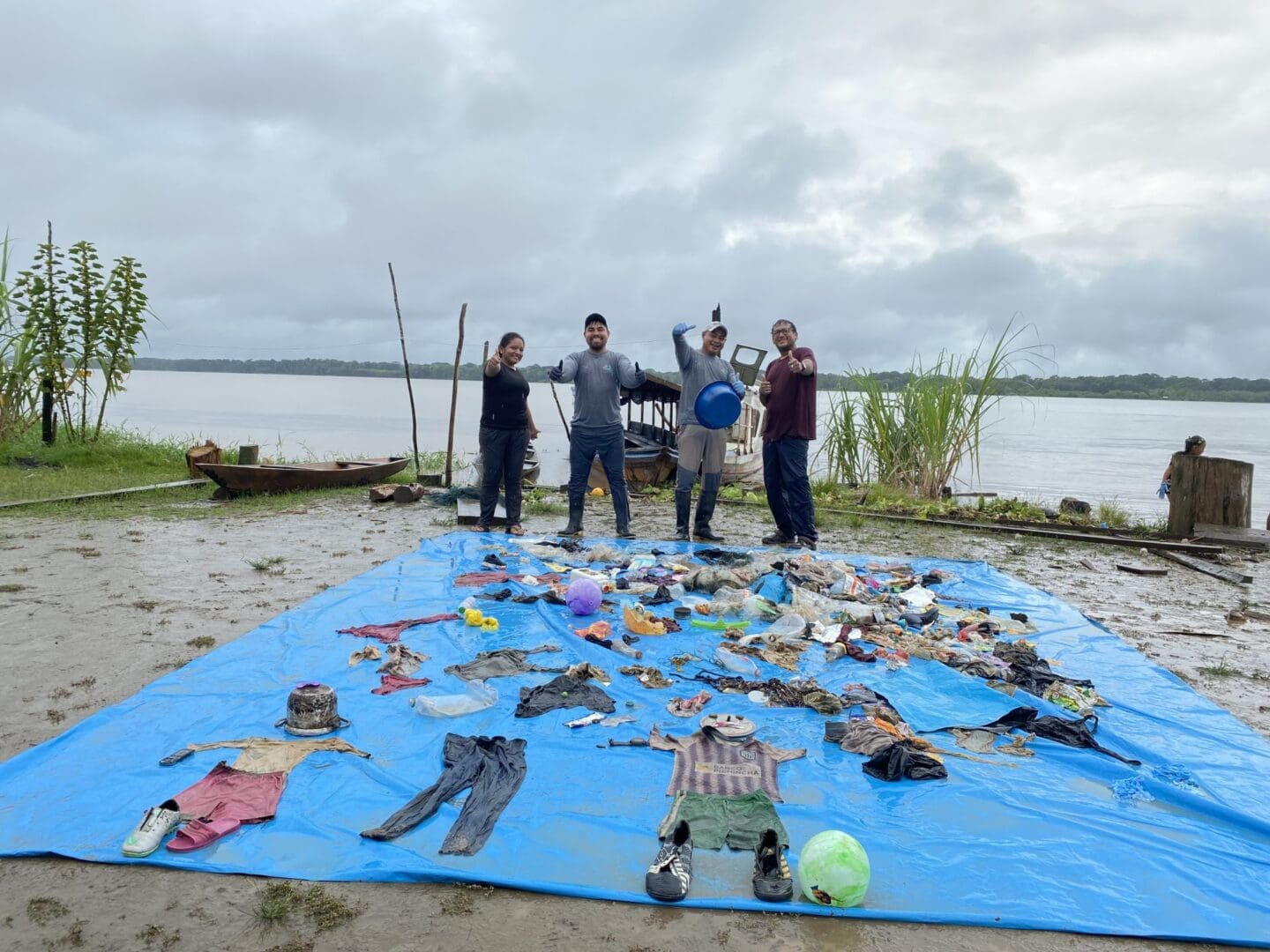
Beyond the numbers, this first stage has been essential for building community trust and local ownership.
As one community authority from Roca Fuerte shared, “Health and environmental care are very important issues for us. We are willing to learn for the wellbeing of our population.”
For families, the project is also encouraging reflection at the household level. A woman from San Roque shared: “All of this is making us reflect. I am committed to improving, so my family can live better.”
Local leaders are also recognizing the urgency of dengue prevention, especially in communities where access to public health services remains limited. As an APU, or community leader, from Cuninico shared: “Dengue is a threat for us. So far, the governmental health sector has not reached our community to fumigate. We see this project as an opportunity to protect the wellbeing of our people.”
This first stage shows that long-term prevention begins with evidence, trust, and local leadership. By working alongside families, community agents, and local authorities, Río Limpio is helping build the foundation for cleaner environments and stronger dengue prevention practices in Loreto.
