
World Environment Day: Community Nurseries Are Growing Conservation in Northern Peru
In the northern Peruvian region of Amazonas, the Valle of the Waterfalls ("Valle de las Cataratas") is home to rural communities, cloud forests, waterfalls, and remarkable biodiversity. It is also home to emblematic wildlife such as the Andean cock-of-the-rock, the yellow-tailed woolly monkey, the spectacled bear and the marvelous spatuletail (Loddigesia mirabilis).
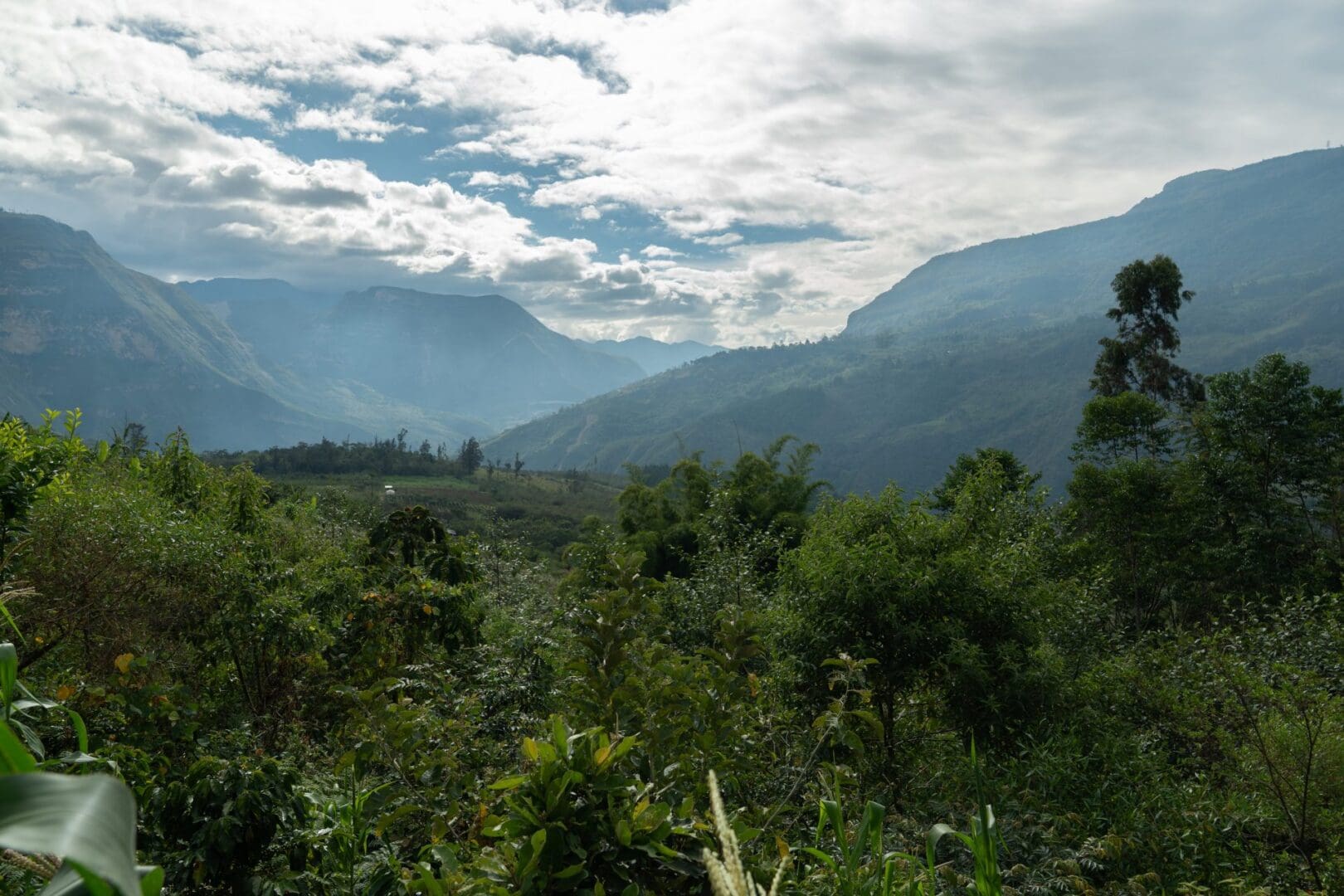
This rich biodiversity makes restoration efforts especially important. In landscapes increasingly affected by climate-related risks such as landslides, soil degradation and habitat loss, community nurseries are becoming much more than places where plants grow. They are spaces for learning, local organization, restoration, and sustainable livelihoods.
Through our partnership with Conservamos por Naturaleza, an initiative of the Peruvian Society for Environmental Law (SPDA), Help Peru supports the project “Strengthening Private and Community Conservation in Peru.” The initiative works with communities in the Valle de las Cataratas to restore native ecosystems, strengthen local livelihoods, and support community-led conservation.
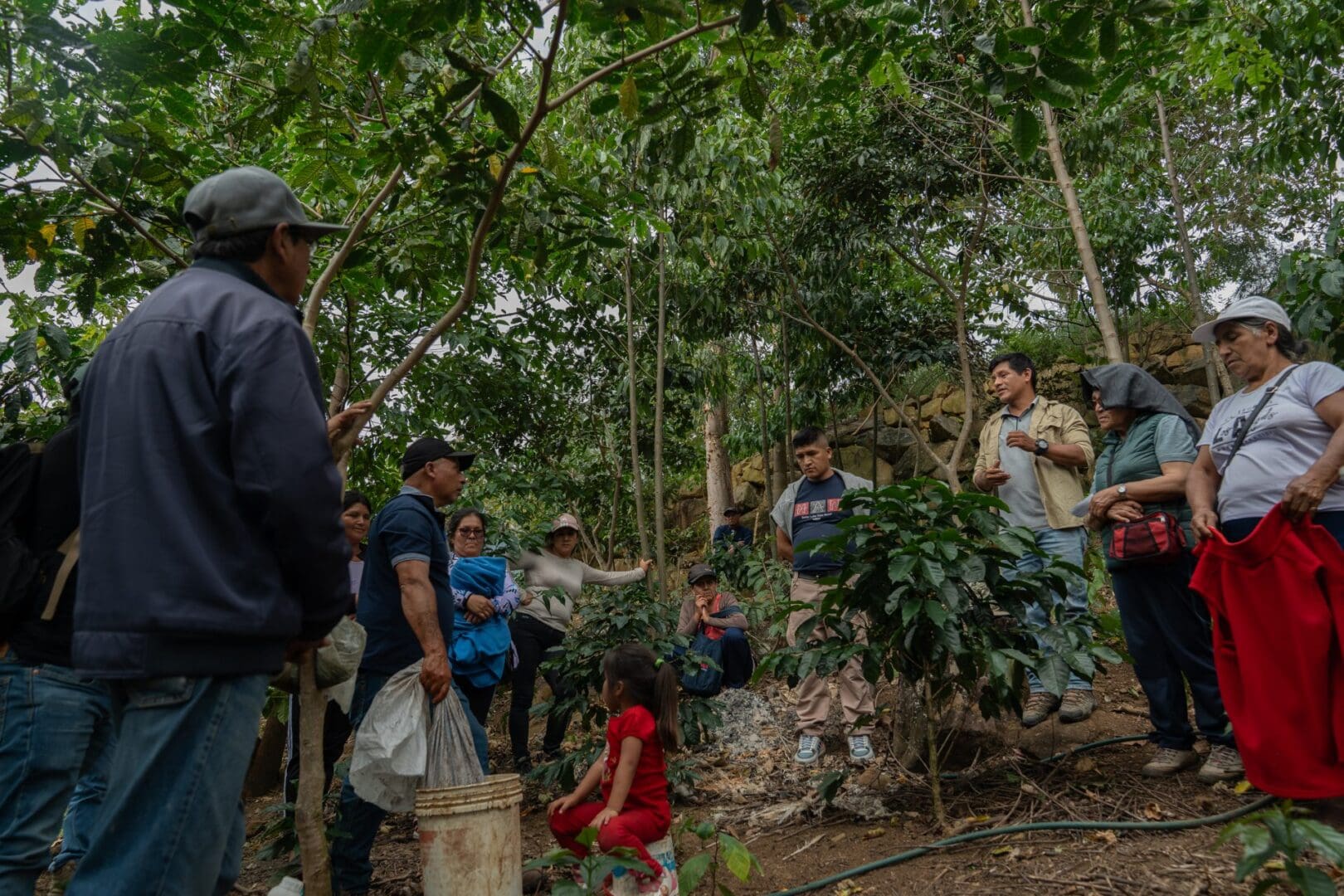
This work is rooted in a simple idea: conservation is stronger when communities have the tools, knowledge, and organization to lead it.
During the first months of 2026, community nurseries in Palmira, Cuispes and La Coca produced approximately 25,000 native and productive seedlings. These include native tree species that support ecological restoration, as well as productive plants such as coffee and cacao that can help families strengthen their sources of income.
One of the most meaningful milestones of this first period was the first community nursery exchange with 27 representatives from 3 communities. Over two days, participants shared experiences and strengthened their knowledge on seed management, native plant production, coffee agroforestry systems, community organization, financial management, and the long-term sustainability of their initiatives.
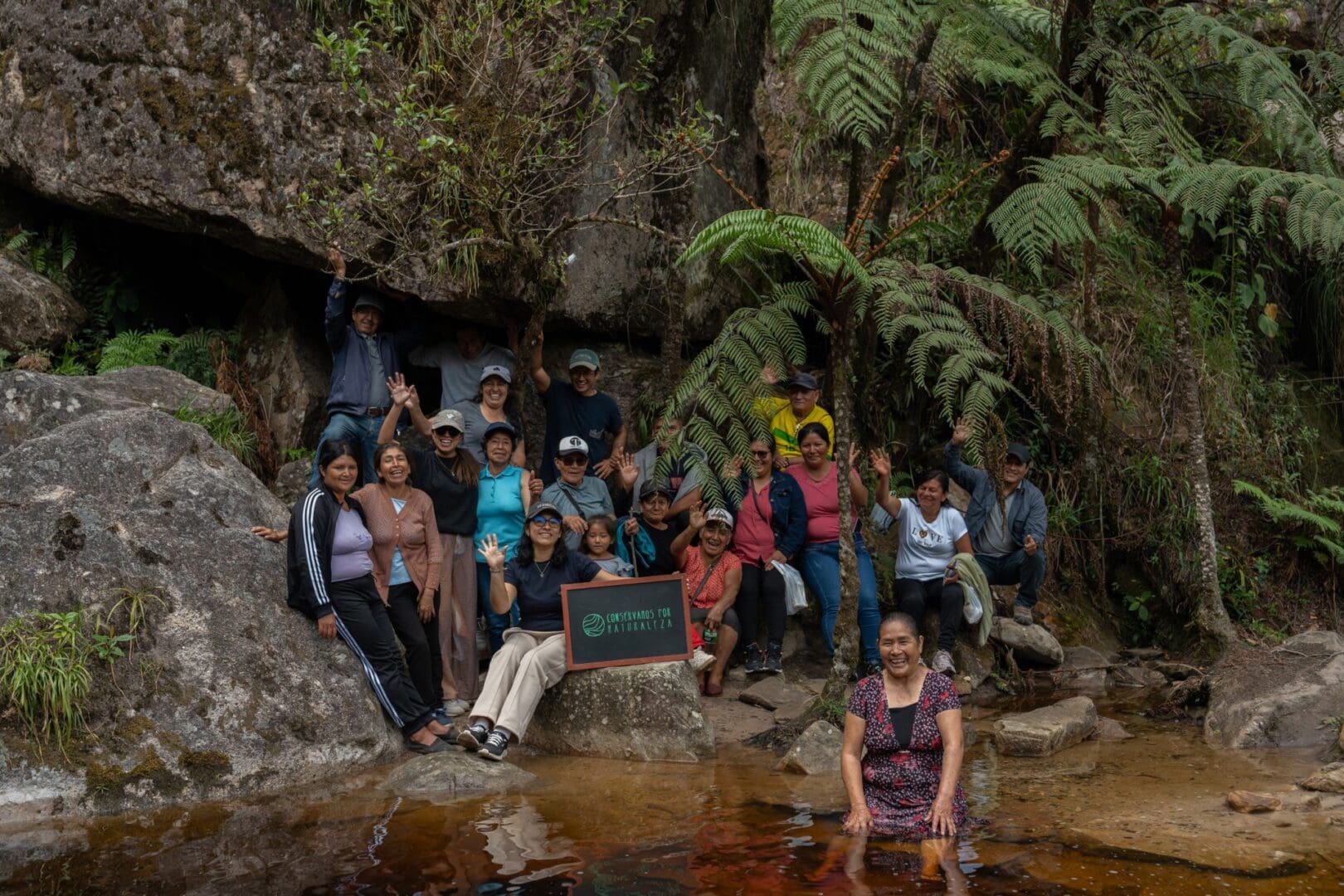
As Lenin Castro Escobedo, Secretary of the community nursery AFOTUR in Palmira, shared: “Working with SPDA allows us to grow as an organization. These exchanges help us learn how other communities produce native plants, coffee and cacao, and how they add value to their production. Your support encourages us to build a greener and more productive Amazonas, while respecting our ecosystems and the wonders it protects.”
Restoration efforts are already moving forward. In alliance with the communities , the project carried out two community restoration and climate adaptation workdays, planting 5,500 native seedlings. These actions help restore vegetation cover and support soil stabilization in areas vulnerable to landslides and other climate-related risks.
This World Environment Day, we celebrate the communities restoring landscapes from the ground up.
